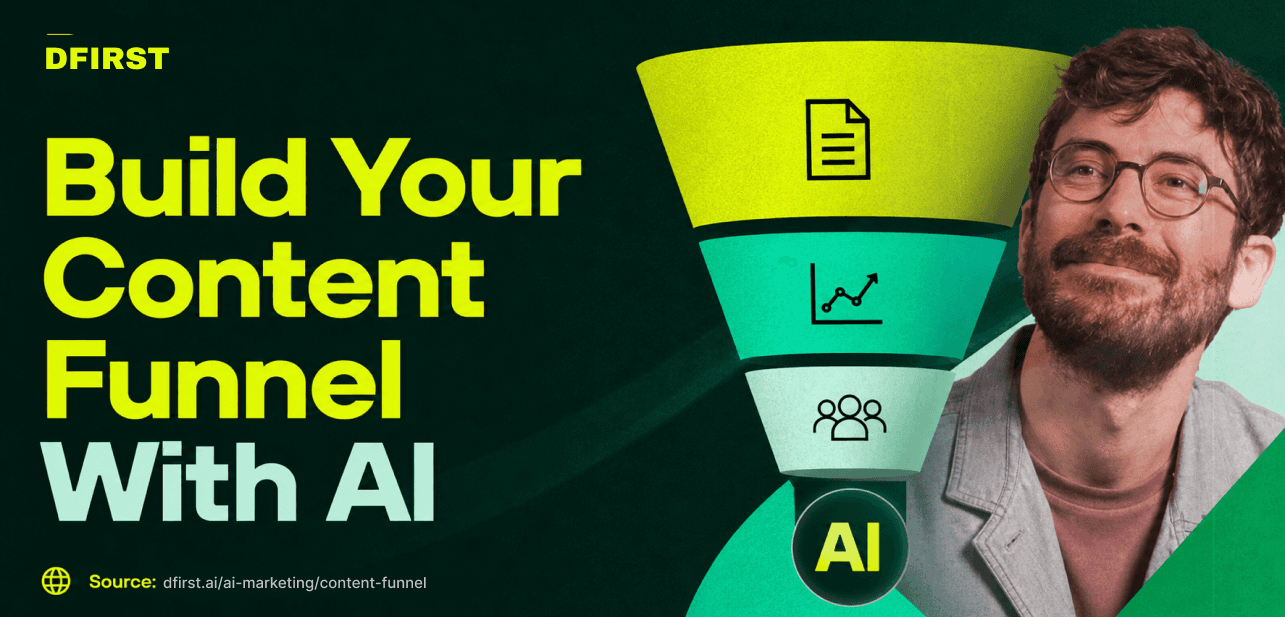
Building a content funnel used to take weeks. With AI, you can have a live lead system by the end of the day.
That's not hype. When you combine AI-generated copy, an interactive funnel builder, a trained DFIRST workflow for ad creatives, and a Meta ads campaign targeting your ICP by name, what used to require a full marketing team fits into a single workflow.
Here's what this guide covers:
What an AI-powered content funnel is (and why it differs from your website)
How to define your offer, ICP, and pain points before writing anything
How to select the right funnel type for your offer
How to generate funnel copy, ad creatives, and qualification logic with AI
How to connect your CRM and launch on Meta ads
This article is part of our content marketing series where we cover building your first AI-assisted content workflow through advanced use cases like topic clustering, audience simulation, and content repurposing at scale.
What is an AI-powered content funnel?
An AI-powered content funnel is a dedicated landing page sequence — completely separate from your website — that uses AI-generated copy, interactive questions, and automated qualification logic to convert paid traffic into booked sales calls or qualified leads.
Unlike a website, which serves every visitor the same generic experience, a content funnel targets one campaign, one offer, and one audience segment. Every element — the headline, the qualification questions, the thank you page — exists to move one specific person toward one specific action: opting in or booking a call.
Content funnels and websites serve different jobs. Your website is the mothership — broad, brand-focused, built for every possible visitor. Each funnel is a speedboat, purpose-built for one campaign and one target audience. Most businesses run 2–5 active funnels at once, each targeting a different offer or ICP.
Content funnel vs. website — why you need both
A website has 4 competing goals: it educates, builds credibility, sells multiple offers, and serves existing customers — all at once. That breadth kills conversion rates. A content funnel removes the noise. One offer, one audience, one action. Businesses that send paid traffic to dedicated funnels rather than their homepage consistently see 3–5x higher conversion rates.
Appointment funnel vs. quiz funnel — which fits your offer
There are 2 funnel architectures that work for most B2B offers.
An appointment funnel moves qualified prospects directly toward booking a sales call. Use it for high-ticket offers above $10K — a $25K annual program, an enterprise consulting retainer, or a managed AI implementation. The flow has 4 stages: ad → landing page → qualification questions → opt-in → calendar booking.
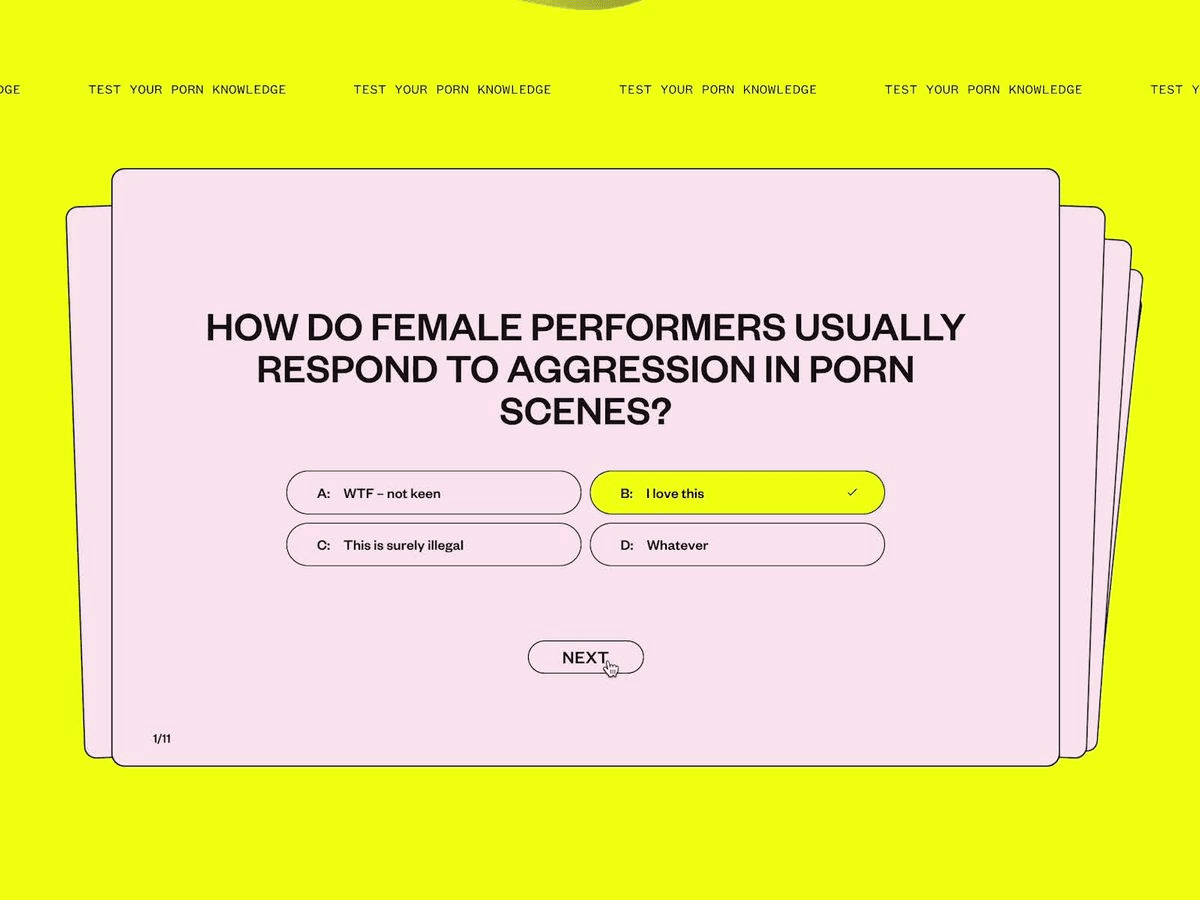
An adaptive quiz funnel starts with an interactive assessment such as "How AI-ready is your team?", builds perceived value through a loading screen, then routes respondents to different offers based on their 3–5 answers. Use it when you have multiple offer tiers or want to reach buyers who aren't yet solution-aware.
If you're building your first funnel, start with the appointment funnel. It's simpler, launches faster, and produces cleaner data.
Step 1 — Define your offer, ICP, and pain points
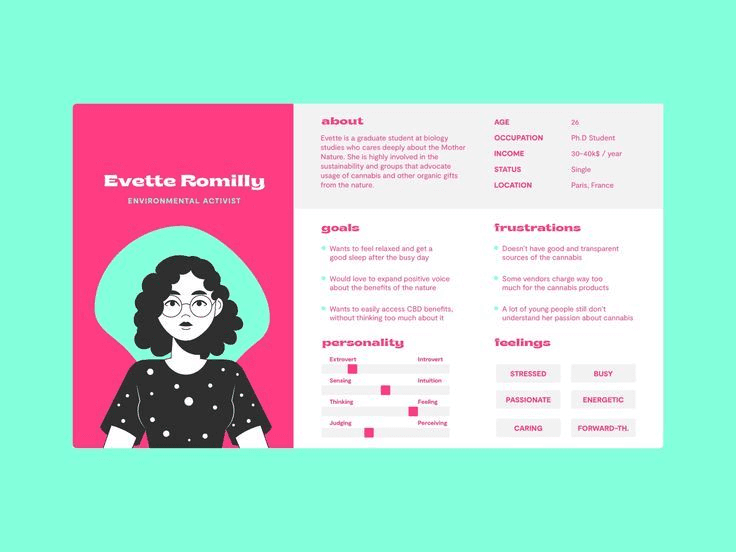
Before opening a funnel builder or writing a headline, get specific about who you're selling to and why they should act now.
AI-generated copy is only as specific as the inputs you give it. Vague ICP notes produce vague headlines. Sharp, specific inputs produce copy that stops the right person mid-scroll.
How to extract your ICP in one conversation with AI
Open Claude and answer 3 questions as specifically as possible:
What type of company are you targeting? (Industry, size, growth stage)
Who makes the buying decision? (Title, trigger event, primary objection)
What are the top 3 pain points driving them to buy right now?
For a B2B AI training program targeting software companies with 100–500 employees, the answers might be: the CEO or CTO who knows AI will disrupt their business but can't get the team to adopt it systematically; pain points are no clear AI adoption roadmap, a knowledge gap between the 20% of staff using AI daily and the 80% who barely touch it, and no automation expertise outside the tech team.
That level of specificity becomes the foundation for every downstream asset: funnel copy, ad headlines, and qualification questions.
The 3 pain points your funnel must address
For the AI adoption market, 3 pain points appear consistently across customer conversations:
No clear adoption roadmap. Companies give teams access to AI tools but have no process for driving systematic use. Access without a roadmap produces zero behavior change.
The AI knowledge gap. Some team members use ChatGPT, Claude, or Gemini daily. Others haven't opened them once. That 5x gap in proficiency makes company-wide upskilling nearly impossible without a structured program.
The automation gap. Outside the tech team, no one knows how to build professional automations using tools such as Make.com, Zapier, or n8n — and that's where most real productivity gains live.
Name these explicitly in your copy. Specificity is what makes someone stop on your ad and think: "This is for me."
Step 2 — Choose your funnel type
With your offer and ICP defined, match them to the right funnel architecture.
Appointment funnel (high-ticket B2B)
Use this architecture for complex, high-value offers that require a sales conversation before someone commits. A $25K annual program or an enterprise AI implementation doesn't convert from a button click. It converts from a well-run call with a qualified buyer.
The appointment funnel has one goal: put the right people on your calendar. Every design decision — the questions you ask, the conditional routing logic, the thank you page content — serves that single objective.
Adaptive quiz funnel (wider audience, multiple offers)
Use this architecture when you want to reach buyers who aren't yet solution-aware, or when you have 2–3 offer tiers and want the funnel to route people to the right one automatically. A quiz such as "Discover your company's AI readiness score" reaches a broader audience, generates engagement through 4–6 interactive questions, and presents a personalized result page that matches each respondent to the right offer.
Pro Tip: If your offer portfolio includes a high-ticket program ($25K+) and a lower-ticket course ($500–$2,000), the quiz funnel lets you monetize both audiences from a single traffic source. The conditional routing logic handles segmentation automatically.
Step 3 — Generate your funnel copy with AI
This is where building with AI pays off most visibly.
How to build an AI brand profile
Most modern funnel builders — including Perspective, ClickFunnels, and GoHighLevel — support AI brand profiles. You paste in your website URL, ICP notes, and a 2–3 sentence description of your main offer. The AI scrapes your site and generates a first draft of every copy block: headline, subheadline, benefit bullets, testimonials pulled from existing customer quotes, and qualification questions.
The output won't be final copy. But a headline such as "Transform your team into AI-powered automation experts — or we train them for free" gives you a direct-response anchor that would have taken a copywriter a full day to produce. With an AI brand profile, you get it in 5 minutes and refine it in 10.
Writing headlines, benefit sections, and qualification questions
Take the AI draft into Claude and test 5–8 headline variants across distinct angles:
Knowledge gap: "Half your team uses AI daily. The other half barely touches it. Fix this gap in 28 days."
Roadmap: "From scattered AI experiments to company-wide automation — your 12-week implementation plan."
Authority: "Stop the cowboy AI tools. Build an automation framework your CTO will approve."
Social proof: "9X transformed our whole team. We're now operating at a completely different level." — Nikolai, CEO
Pain point: "You know AI is the next disruption. Your team just isn't using it yet."
Test different angles, not just different wording. Each angle activates a different psychological trigger. You won't know which resonates most until you see the conversion data from your first 7-day test.
Step 4 — Create ad creatives with AI
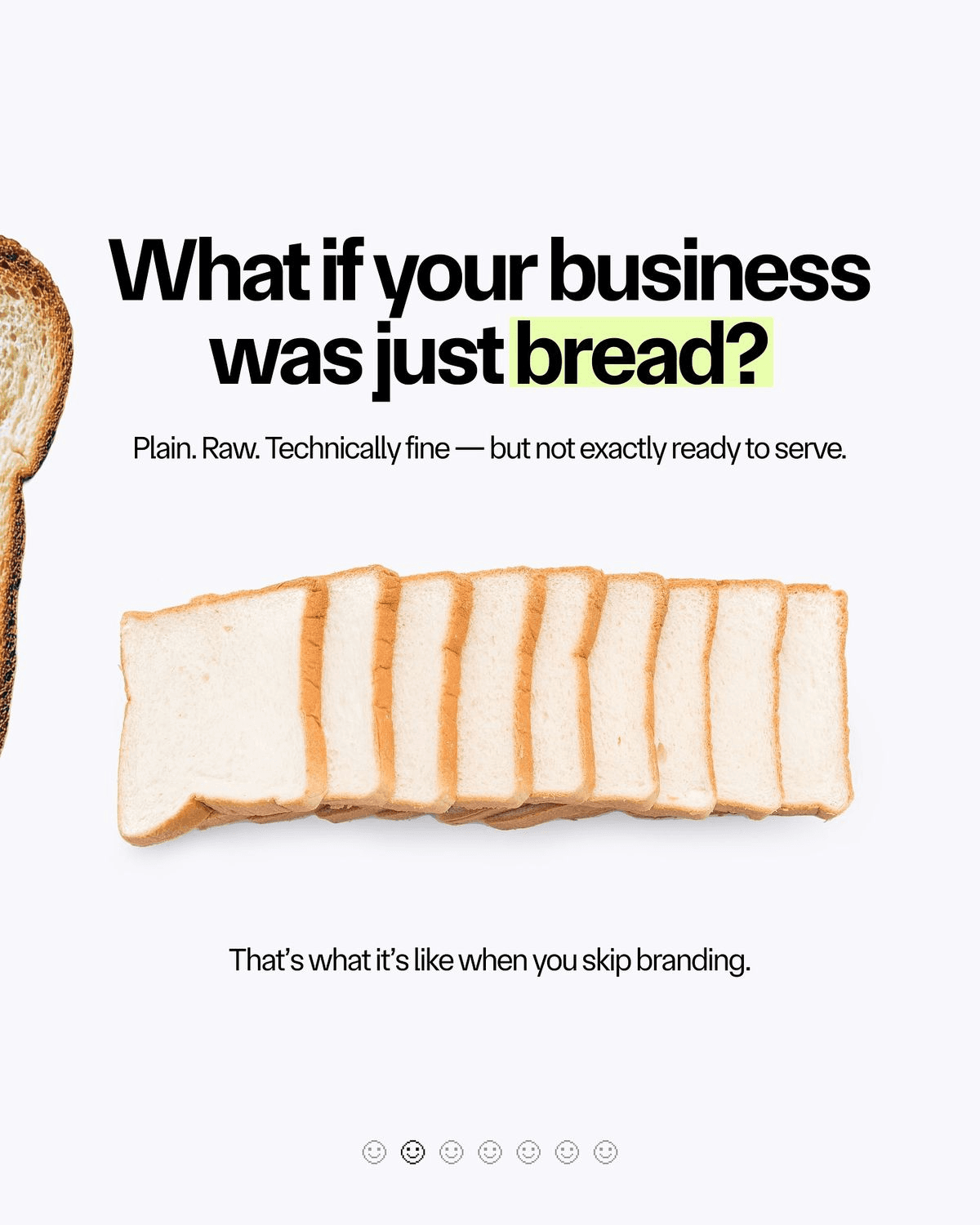
Your ad is the first touchpoint in the funnel. It has 3 jobs: call out your ICP, deliver a result-driven headline, and show social proof. Nothing else.
The 3 elements every B2B ad creative needs
1. ICP call-out. On Meta, your creative performs much of the targeting work. An ad that names "software companies with 100+ employees" trains Meta's algorithm to show it to exactly those people. Be specific. Don't soften the call-out to avoid excluding anyone — excluding the wrong people is the goal.
2. Result-driven headline. Give the reader a concrete outcome with a specific timeframe. "Upskill your entire team in 28 days" outperforms "AI training for companies" because it answers the question: what will I actually get?
3. Social proof. A single strong testimonial tied to a measurable result — time saved, productivity improvement, team transformation — outperforms a generic 5-star rating for high-ticket B2B offers. In B2B, specificity in social proof signals credibility more than volume.
How to use DFIRST to generate 5 ad angles fast
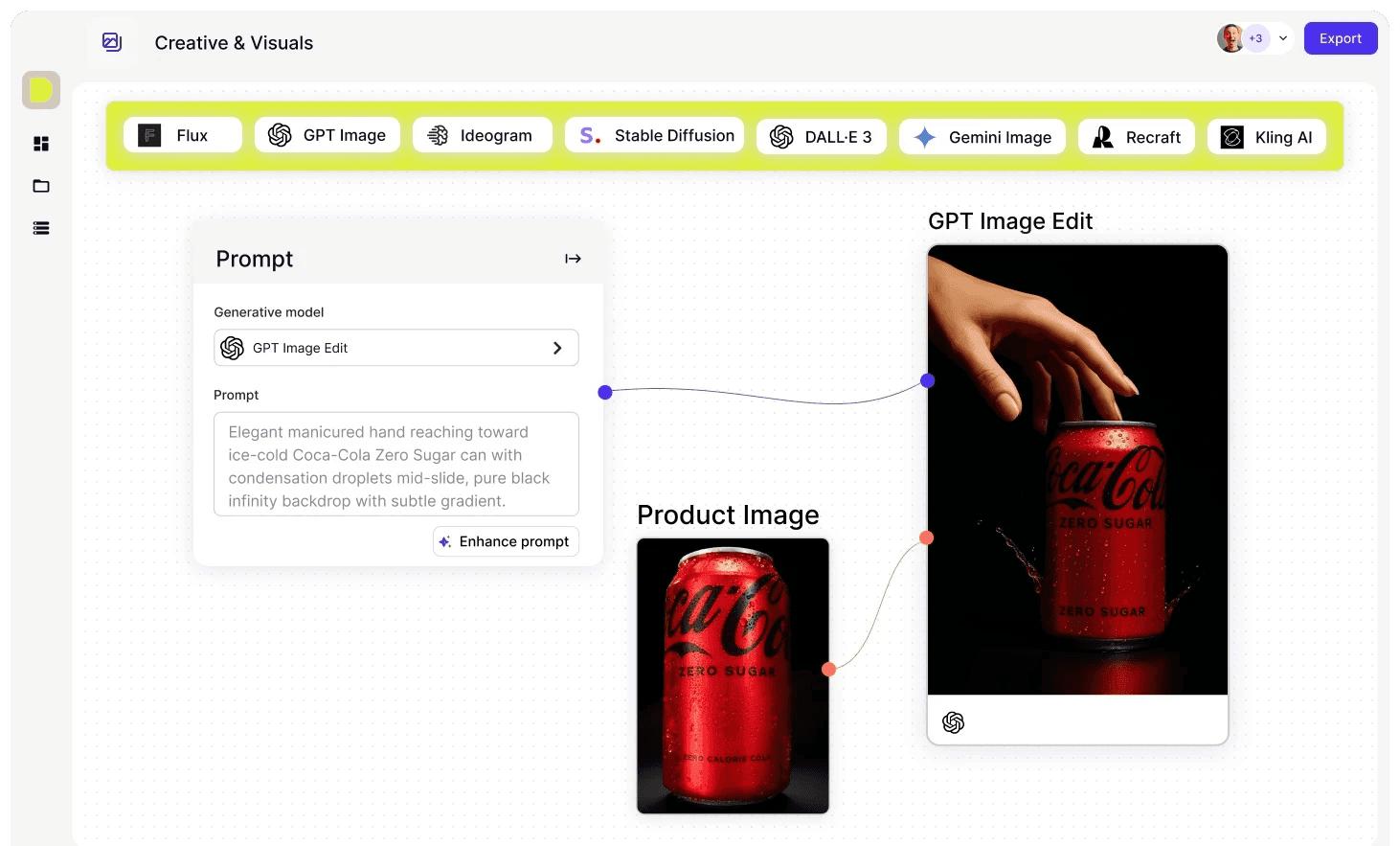
Build a DFIRST workflow and train it on your 5–10 best-performing ads and transcripts from competitor ads in the Meta ad library. For each new campaign, follow this 3-step workflow:
Describe the offer and ICP in 3–5 sentences
Share the funnel headline you're driving traffic toward
Ask Claude to write 5 ad variants, each using a distinct angle
You'll have usable variations in under 15 minutes. The project learns your brand voice over time, so outputs sharpen with each iteration.
Testing angles without wasting budget
Launch your 5 creatives with 1 consistent body copy text and 5 different visuals plus headlines. This isolates the creative variable. After 7–14 days, identify the 1–2 angles generating the most qualified leads at the lowest cost per lead, then shift budget toward them and build 3–5 more variations of the winner.
If you test 5 images and 5 copy texts simultaneously, that creates 25 combinations — and the data won't tell you what actually worked.
Step 5 — Set up lead qualification and personalization
A generic opt-in page collects names and emails. A qualified funnel collects the right names and emails — and filters out unqualified leads before they reach your sales team.
How interactive questions increase opt-in rates
Adding 1 interactive yes/no question as the first step of your funnel reduces drop-off by engaging visitors before asking for contact information. Once someone answers the first question, their psychological investment in completing the funnel increases. Drop-off between question 1 and the opt-in page is consistently lower than sending people cold to a static form.
Make the first question low-friction and relevant: "Is your team currently using AI in daily operations? Yes / No." The specific answer doesn't matter at this stage — the interaction does.
Using conditional logic to filter unqualified leads
Set up 2–3 qualification questions covering company size, decision-maker role, and budget range. Use conditional routing to send leads to 2 different outcomes:
Qualified (100+ employees, CEO or CTO, budget above threshold) → directed to opt-in page → calendar booking
Unqualified (fewer than 100 employees) → redirected to an unqualified page with a lower-ticket offer, a free resource, or a clear explanation that the program isn't the right fit
This qualification logic protects your sales team's time and improves Meta campaign performance. When unqualified leads fail to complete the funnel, Meta's algorithm learns to avoid similar profiles in future targeting.
Use the collected qualification data to personalize opt-in page copy dynamically. "We still have a slot for a CTO of a 100+ person company" converts significantly better than "Book your call."
Step 6 — Connect your CRM and automation
Your funnel's value depends entirely on what happens to leads after they opt in.
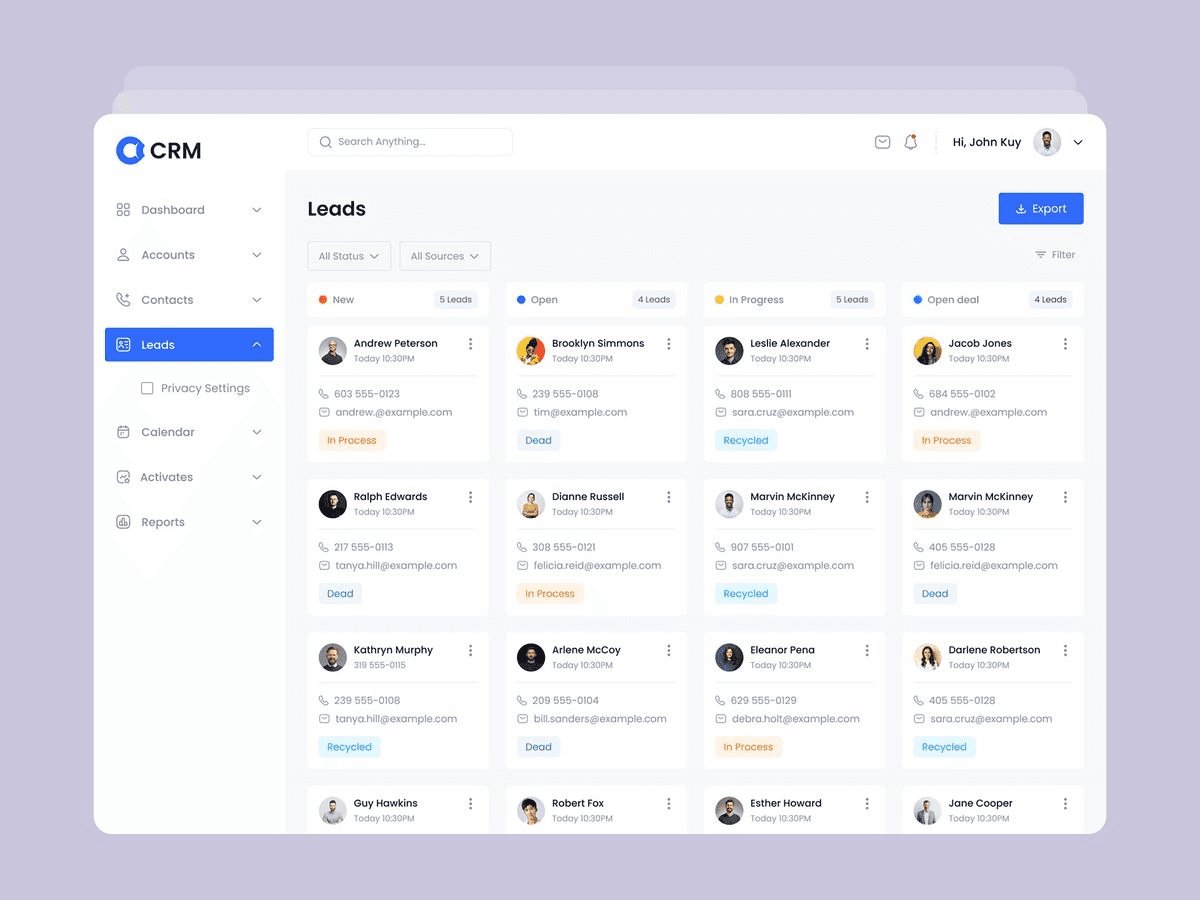
Webhook setup with Make.com
Connect your funnel builder to your CRM using a webhook. Define 2 triggers: "new lead" (fires when contact data is submitted) and "funnel completed" (fires when a lead reaches the thank you or result page).
In Make.com, map the incoming fields — name, email, phone number, and qualification answers — to your CRM using a "create or update person" module. Set the matching rule to email address to prevent duplicates. Run a test submission to confirm data flows correctly before sending live traffic.
Phone validation and data quality for high-ticket offers
For high-ticket B2B offers above $10K, enable advanced phone validation. This sends a 4-digit one-time code to the phone number submitted during opt-in. It filters fake submissions, validates contact quality, and signals professionalism to the buyer — all of which matter when your sales team is about to invest 45 minutes in a discovery call.
The leads who won't complete phone validation are the same leads who won't show up to the call.
Step 7 — Launch on Meta ads
With your funnel built, copy tested, and CRM integrated, you're ready to drive traffic.
Choosing the right campaign objective (leads, not traffic)
In Meta Ads Manager, select the Leads objective — not Traffic, Engagement, or Awareness. Meta's algorithm optimizes for exactly what you instruct it to optimize for. Traffic campaigns send people who click ads. Leads campaigns send people who complete opt-in forms.
Use adset budget optimization (ABO) rather than campaign budget optimization (CBO) for your first campaign. ABO gives you direct control over spend per ad angle while you're learning which creative performs.
Audience targeting for B2B on Meta
For most B2B campaigns, running on a broad audience while being highly specific in your creative outperforms narrow interest stacking. Meta reads your ad creative, identifies who responds positively, and self-optimizes through its machine learning algorithm.
For a fresh ad account with no conversion history, add 1 interest layer — "artificial intelligence" or "business automation" — to give the algorithm an initial signal. Exclude the Audience Network placement entirely. It consistently produces the lowest quality traffic for high-ticket B2B offers.
Ad variable isolation — testing one thing at a time
Launch your 5 ad angles with identical targeting, identical budget allocation ($10–$20 per day per ad), and identical campaign objective. You're testing 1 variable: the ad angle. After 7–14 days, identify the winner, pause the underperformers, and build 3–5 new variations of the winning angle.
Don't use Meta's auto-generated copy or creative variations. They remove your ability to know what actually drove the improvement.
How to optimize your AI content funnel over time
Once you're live, the work shifts from building to reading metrics and making targeted changes.
Reading your funnel metrics
Track 4 conversion rates at each stage:
Landing page → Question 1 completion: 60–80% is healthy for qualified traffic
Questions → Opt-in submission: 50–70% indicates strong offer-audience fit
Opt-in → Calendar booking: 30–60% is a healthy range
Calendar booking → Call show rate: target 60–80% with active follow-up sequences
If you lose most people at the opt-in, the offer description or form friction is too high. If you lose them after booking, add confirmation content to the thank you page and build a 3-touch follow-up sequence via email and WhatsApp.
When to build a second funnel
Build a second funnel when your first funnel converts consistently and you want to test 1 of these 3 scenarios: a different offer, a different ICP segment, or a quiz funnel architecture against your appointment funnel. Don't build a second funnel to solve a first funnel that isn't working — fix the first one first.
Frequently asked questions
Q: Do I need a separate funnel for each campaign? One funnel can serve multiple campaigns. If you're testing a new offer or targeting a different ICP segment, build a separate funnel to keep data clean and messaging congruent. Each funnel is a speedboat — your website stays the main ship.
Q: Can Meta ads work for B2B? Yes. Many B2B companies generate consistent qualified leads on Meta because the platform has the largest audience and the most sophisticated machine learning for lead optimization. LinkedIn produces lower engagement at 3–5x higher cost per click. The key: name your ICP specifically in the creative so Meta targets the right people.
Q: How many ad creatives should I launch with? Start with 5 creatives, each testing a different angle — pain point, result-driven, social proof, knowledge gap, or desire. Keep 1 body copy text consistent across all 5. Rotate only the creative and headline to isolate the variable being tested.
Q: What's the difference between an appointment funnel and a quiz funnel? An appointment funnel moves the most motivated buyers directly to a calendar booking — best for offers above $10K where buyers are already solution-aware. A quiz funnel starts with an interactive 4–6 question assessment, shows a loading screen, then routes respondents to personalized offer pages — best for multiple offer tiers or broader audience reach.
Q: How do I know if my funnel is performing well? A healthy appointment funnel converts at 10–20% from landing page to opt-in on qualified paid traffic. Track drop-off at each step. Problems at opt-in point to offer clarity or form friction. Problems at the booking stage point to thank you page quality and follow-up sequences.
It's a wrap
Building a content funnel with AI is a strategic challenge, not a technical one. The tools are fast. The clarity is what takes work — getting precise on your offer, your ICP, and the 3 pain points that make someone ready to act today.
Get those right, and the AI handles the rest.